Holding back a slope
A block retaining wall keeps a hillside out of your yard or driveway. These take the most planning of any block wall, since soil and water push on them all the time.
Got an old wall leaning, a slope sliding into the yard or a spot that needs screening? We'll build a block wall that stands straight.
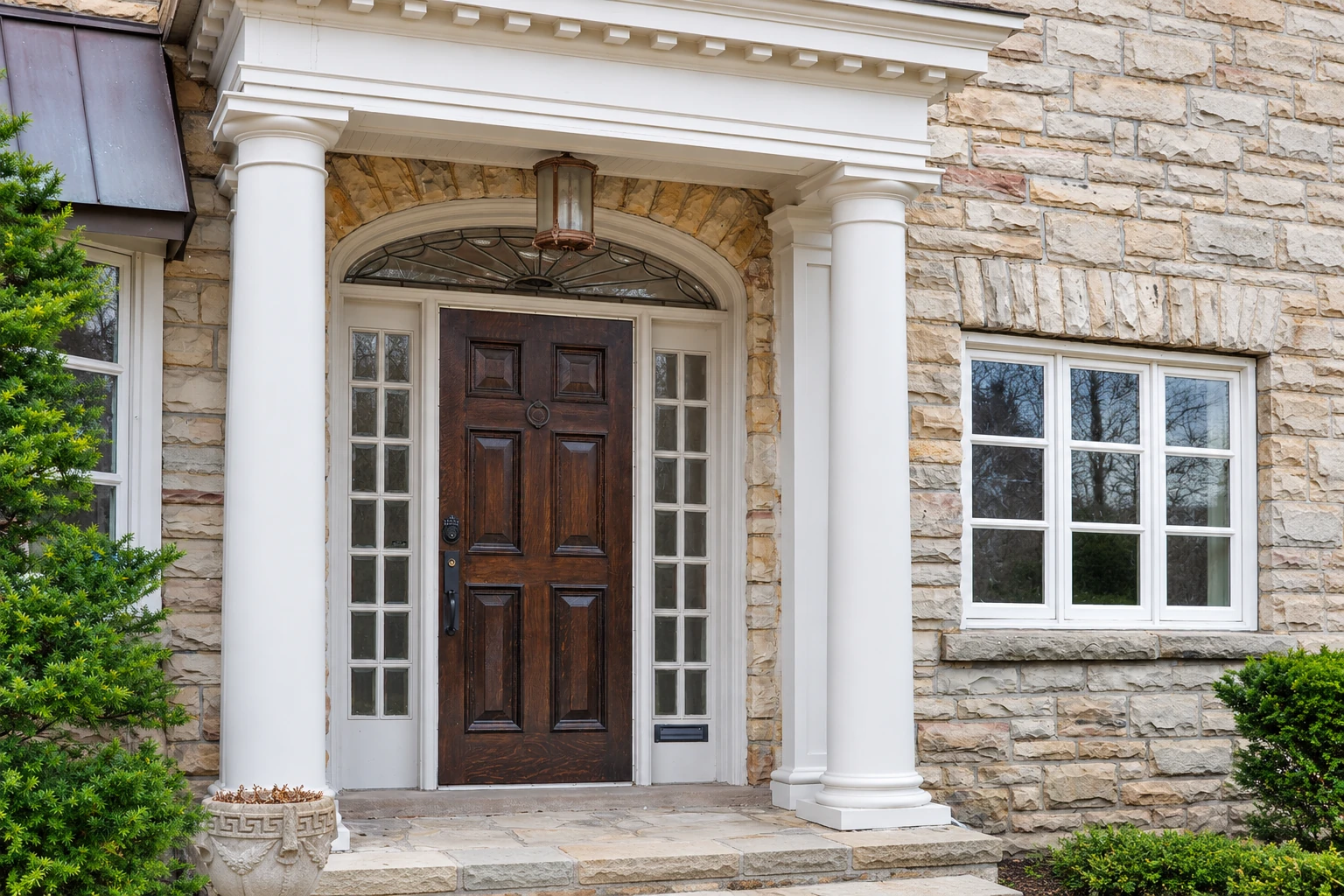
A concrete block wall in Columbia is built from concrete blocks, either set in mortar or stacked dry and coated on both faces. Done right, it gives you a solid garden, privacy or retaining wall that holds its line.
Most folks call because they need a wall to hold back a slope, screen a yard or carry something heavy, so the first thing I want to know is what your wall has to do. The price turns on how long and tall it runs, whether it holds back soil, which building method we pick, how much steel goes in and how hard the spot is to dig and reach. The schedule turns on the ground, the weather and whether the job needs a code check, engineering or inspections first. If it's a hillside you're fighting, our retaining wall construction page goes further. We're licensed and insured, and before work starts we check which office covers your address and take care of any permit paperwork the job calls for. Your own number comes from the estimate, once I've stood where the wall's going.
We've been in business since 2013, and I still come out to look at every wall and write the estimate, so the person pricing it is the one who saw the ground.
If an old wall leaned or cracked, I want to know why before anyone picks up a trowel, because a new wall built the same way usually fails the same way.
A lead mason runs every day on site, and I stop by to check the work and walk the finished wall with you, so an experienced eye is on every course.
I start by looking at the spot, what the wall has to hold or hide and what the ground's like, because that tells me what kind of wall makes sense. Then we talk through mortared block versus dry-stacked block with a bonding coat, and how we'll reinforce it, before I put a price on anything, since those choices shape how strong the wall is and how it handles cracking. Once you've picked, our crew lays the wall out, digs down to firm ground and sets a level, clean base so the first course sits true and the mortar grabs. From there we lay block course by course, set steel where the plan calls for it, fill the cores that need it, cap the top and clean up before we leave.
A block wall often ties into other work. If the block is going under a house, porch or addition, that's foundation block wall installation, which brings its own footing and waterproofing questions. If you want block as the base for a grill and counter, our outdoor kitchen masonry starts the same way, with a block core we face in brick or stone to match your house.
A block retaining wall keeps a hillside out of your yard or driveway. These take the most planning of any block wall, since soil and water push on them all the time.
Along a property line or around a patio, a block wall blocks the view and some of the noise, and it can be capped or faced so it looks like it belongs with your house.
Low block walls make raised beds and planters that last far longer than timber. They're short, but they still need a solid base so settling doesn't tip them over time.
Block makes a tough lower wall for a shop, shed or pump house, because it stands up to moisture and knocks that wear out wood sitting close to the ground.
Send the form and we'll get back to you within one business day to set a time. I come out, look at the spot and write your estimate, free and with no obligation.
Tell us the spot and what's around it, like a slope, a driveway or the house itself, because digging room and access shape both the plan and the price.
A ballpark length and height is plenty to start. I'll measure on site, but a rough idea lets me think about block, steel and the base before I get there.
Say whether the wall holds back dirt and whether your property sits inside Columbia city limits, since those change the engineering questions and which office handles inspections.
Browse these block finishes, caps, facings and wall layouts, and point out the ones you like when we talk through your wall.
Straight answers to what Columbia homeowners ask most when they're planning a concrete block wall, from building method to inspections.
Dry-stacked block is worth a look when speed and keeping rain out matter most, and mortared block is the traditional way that suits plenty of walls. Dry-stacked block goes up without mortar and gets a bonding coat on both faces, so it builds faster, leans less on the crew's hand skill and resists rain very well. Which one fits depends on the wall.
A block wall can get hairline shrinkage cracks as the concrete dries, and those aren't a structural problem. Horizontal steel in the wall resists that cracking, and a wall with enough of it may not need control joints, which are planned vertical breaks that let the wall move as it shrinks. Control joints get sealed so they stay weather tight.
Whether it does is set by the local code, which a builder should check before starting a block retaining wall of any size. So plan for that check, and any engineering it calls for, before the price and schedule are settled. The soil counts too, because organic and expansive soils make a poor foundation for these walls.
Drainage does most of that work. Retaining walls should get drainage material in, behind and below the wall wherever practical, such as gravel fill and a drain pipe, so water can't build up pressure against the back. That drainage belongs in the plan and the price from the start, because adding it later means digging the wall back out.
Outside Columbia city limits, Boone County handles building inspections, and inside the city limits you go through the city's office. The county reviews every building permit application for land use, floodplain and address rules, and its inspections happen at points along the way, so plan for a few visits during the job. Check which side of the line you're on, and I'll confirm it when I come out.
Call (573) 530-1031 till 9 PM weekdays or 10 PM weekends, or send the form, and know every wall we build is satisfaction guaranteed.